Formerly known as Health Solutions Trust (HST)


Formerly known as Health Solutions Trust (HST)
Project Dates:
2025-2026
Enhancing Early Pregnancy Care Through the Best Start Model
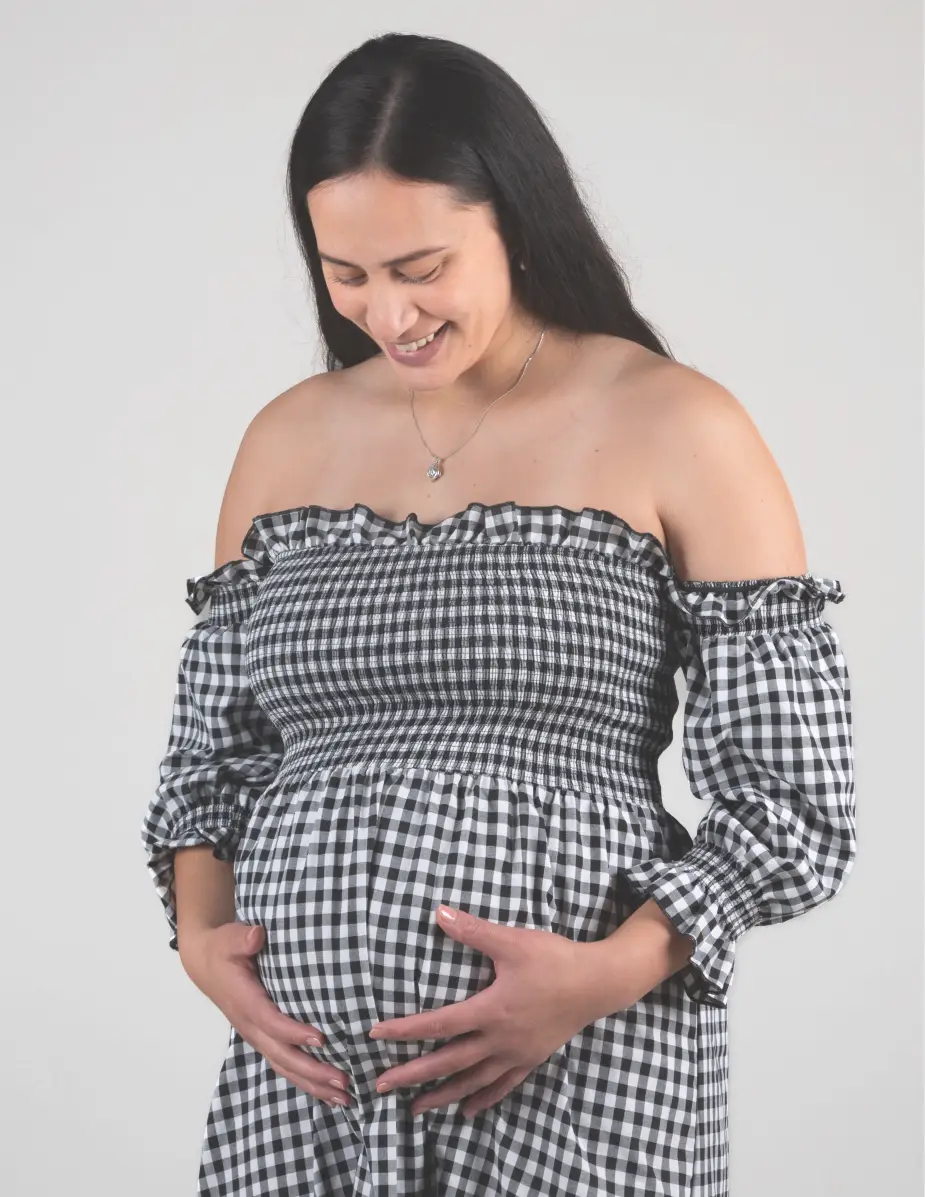
The Best Start Evaluation examined how early pregnancy assessments—carried out through the Best Start Model of Care in Whanganui—support hapū māmā (pregnant women), their whānau (family), and clinicians in the early stages of their pregnancy. The model aims to create an equitable, whānau-centred, culturally grounded foundation for maternity care by integrating physical, emotional, and social wellbeing screening within general practice.
This evaluation was designed to understand how the process is experienced by māmā, what works well, and what improvements could enhance care coordination, access, and outcomes across pregnancies.
The study used a qualitative approach (involving kōrero with hapū māmā) focused on equity and Kaupapa Māori principles. Nine māmā who had completed the Best Start assessment were interviewed about their experiences. These kōrero explored access, engagement, communication, and follow-up support, among other things. Thematic analysis (the process of finding patterns in what people say) identified important enablers and barriers, with a focus on what matters most to māmā.
The Best Start Model of Care has strong foundations and is already improving early pregnancy support in Whanganui. When delivered well, it strengthens connection, confidence, and access to wrap-around care. Overall, māmā valued the holistic design of the Best Start process—especially its focus on mental health, nutrition, and social supports. Many described it as one of the few times in early pregnancy they were asked about their wellbeing in a safe, structured, and non-judgmental way.
However, experiences varied. System inconsistencies mean that not all māmā receive the full benefit of the model—especially newcomers to the region, those struggling to find a midwife, and those needing timely mental health support. In addition, some māmā experienced the process as a “tick-box” approach and wanted more space for open kōrero. Wait times for appointments, limited staff availability, and variable follow-up sometimes created barriers to timely care. Māmā also highlighted challenges in accessing midwives, navigating referrals, and attending appointments—especially when lacking transport, or when recovering from birth or, and parking options.
Despite these barriers, the model was recognised as an important facilitator of connection and prevention—identifying unmet needs early, supporting mental health, and linking māmā to wrap-around services.
The evaluation identified opportunities to strengthen and scale the Best Start model:
Early pregnancy is a critical window for ensuring equity. When Best Start is delivered well, it strengthens confidence, connection, safety, and cultural wellbeing from the very beginning of the maternity journey. This project highlights the importance of early pregnancy care and provides clear guidance for how Whanganui can continue to lead innovative, community-grounded early pregnancy care that honours māmā and whānau.
Findings will be shared with māmā, local primary care practices, iwi partners, and regional stakeholders to inform service improvement and future research.
Project Summary Report:
Download the Executive SummaryResearch Project Report:
Download the Full ReportResearch Project File:
Project reports:
Project Documents:
Project Updates:
Associated Publications:
Hapū māmā experiences of the Whanganui Best Start Model of Care in primary care: A qualitative study.
Project Team:
Project Collaborators:
TW
Te Waipuna
TWP
Te Whare Piringa
Funders:


